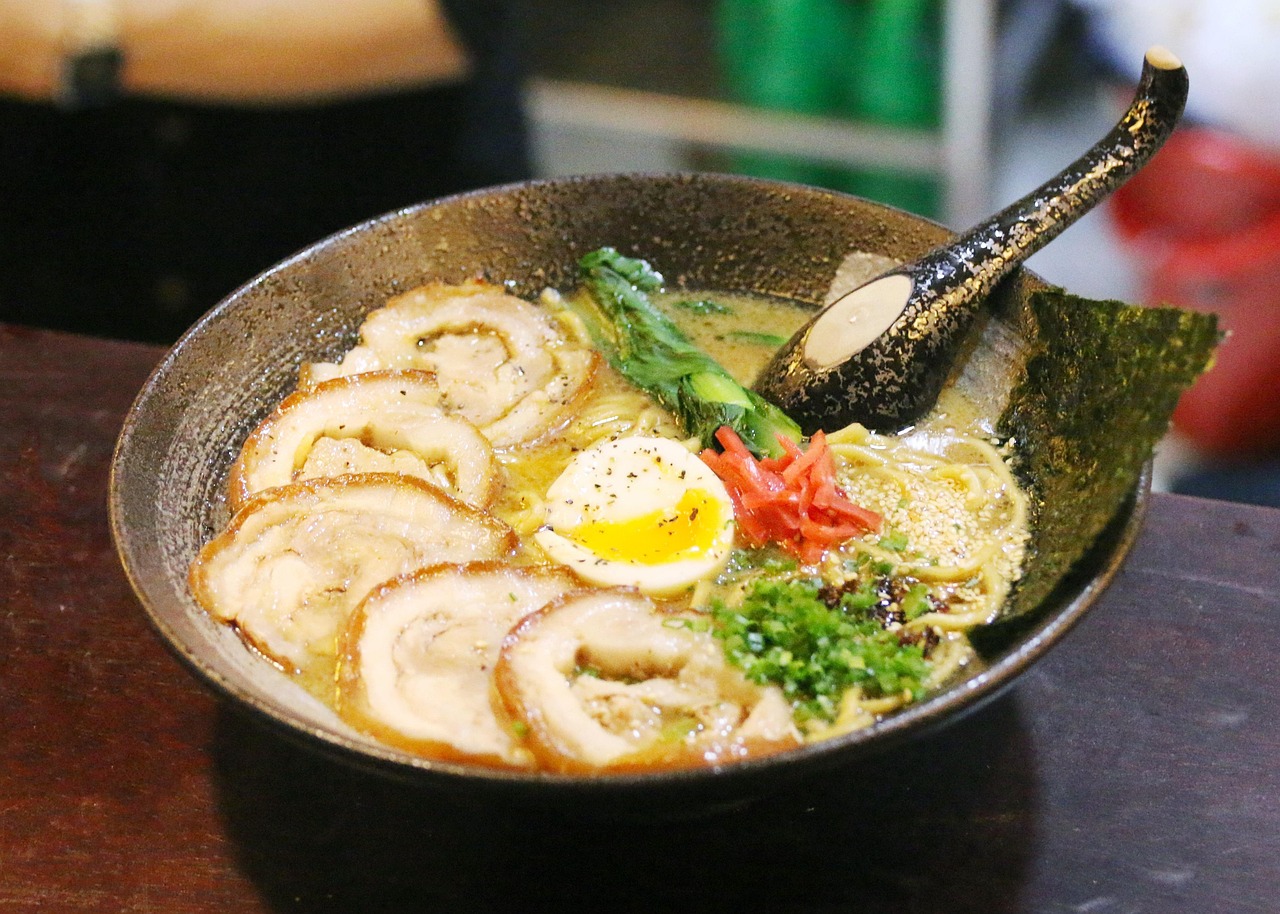
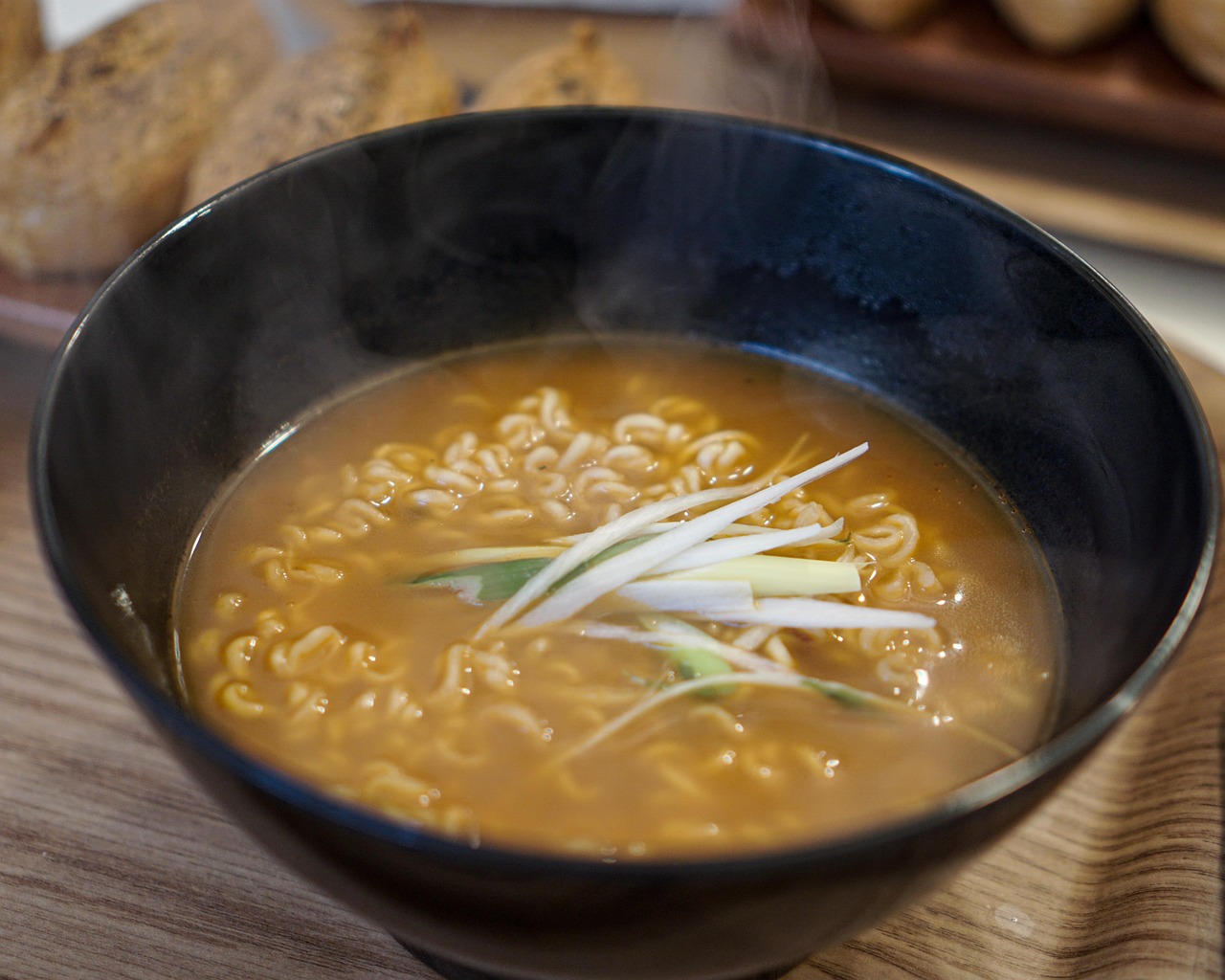
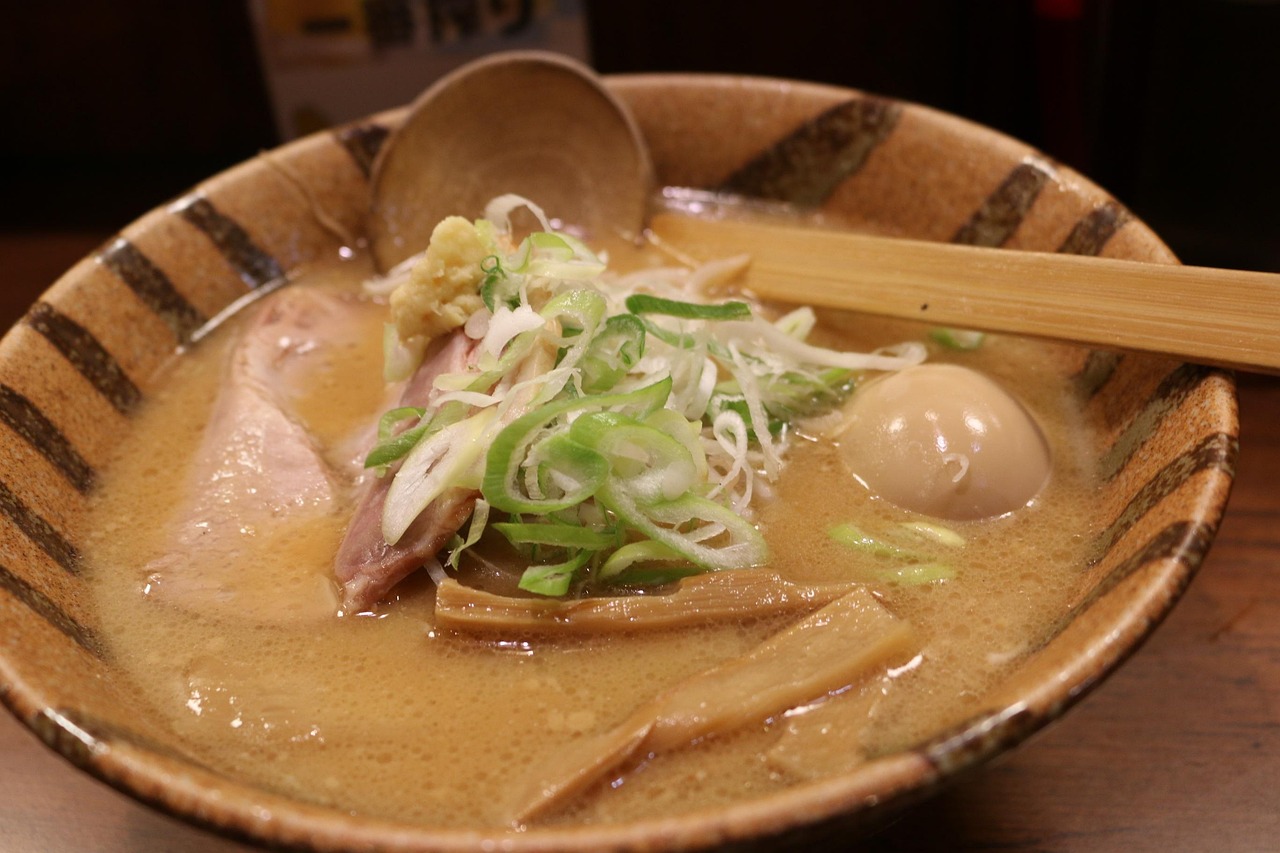
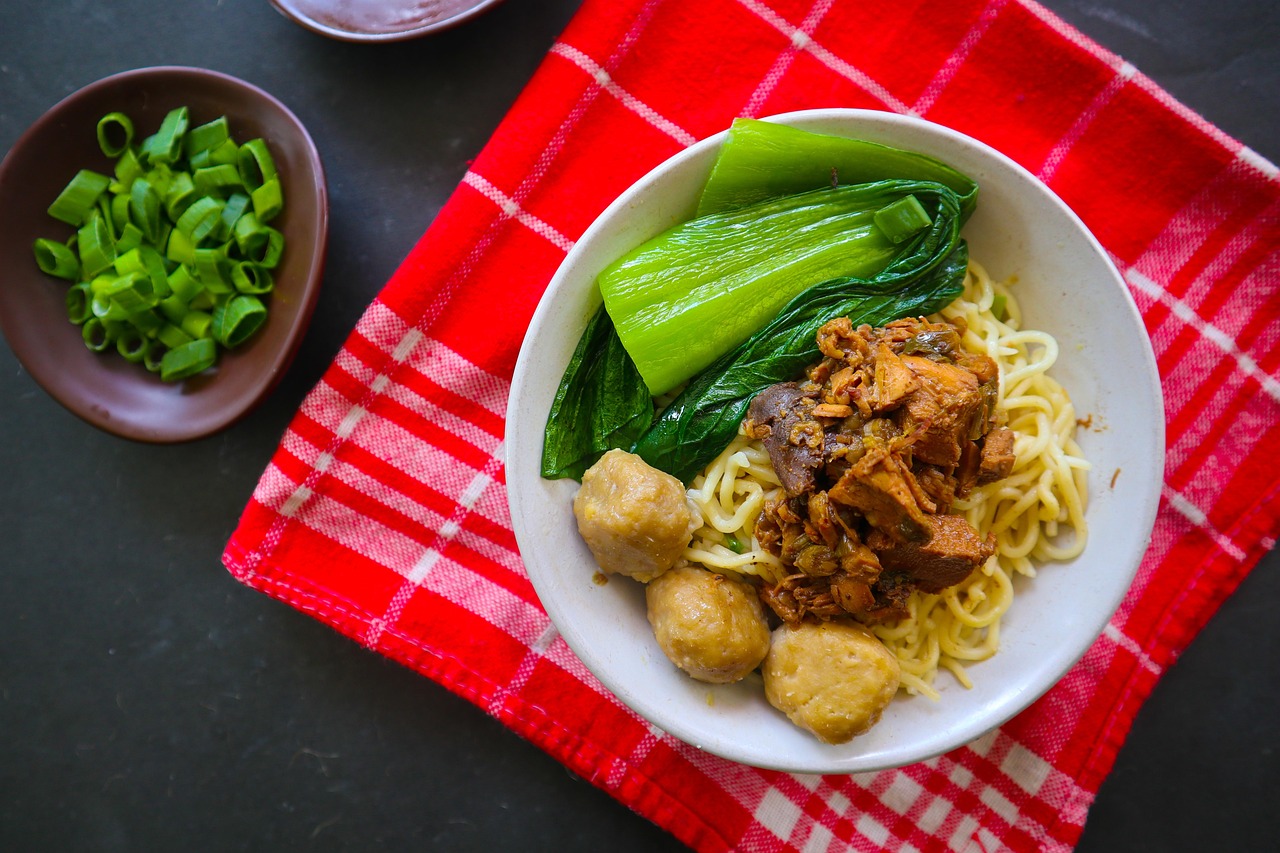
Tsuta's truffle shoyu is S$16.80 on Tsuta's own menu, not the S$22-25 everyone quotes, and Takagi's cheapest bowl is now S$9.90 after a full repricing. Ramen Keisuke still gives unlimited free kaedama every Monday at seven outlets, and Marutama's ION Orchard shop sells two tsukemen nobody lists. We ranked the 8 best ramen shops in Singapore for 2026, with prices read off each brand's own menu and exactly where to get tsukemen and tantanmen.
Singapore's ramen market has quietly split in two: the Michelin-pedigree bowls are cheaper than their reputation, and the budget end just got dearer.
> Quick view: Tsuta is the pick. Its Original Truffle Shoyu Soba is S$16.80 on Tsuta's own menu (S$13.80 for the light size), not the S$22-25 that gets repeated. The floor across this list is now S$9.90 at Takagi, which has repriced every bowl on its menu since our last check. The catch: MENSHO X Raffles Place is shut all weekend, Marutama Downtown Gallery is shut Sat/Sun/PH, and ENISHI closes 3-6pm daily.
Best tsukemen in Singapore: where to eat it
Tsukemen is still a minority order here, plenty of shops do not offer it at all, and the two things most guides get wrong are that they credit one shop that does not serve it and miss two that do. These are the six we could confirm off the shops' own menus:
- Sanpoutei Ramen: the most committed of the mainstream chains, and the only one that publishes the price. Its Rich Dried Sardine Tsukemen is S$16, listed for all three outlets (Holland Village, Shaw House, Paragon). Sanpoutei's thick, flat, wavy noodles are built to carry sauce, which is exactly what this format needs.
- Marutama, ION Orchard only: the pair nobody lists. Marutama's published menu carries a Sizzling Stone Bowl Chicken Paitan Tsukemen and a Sizzling Stone Bowl Dandan Tsukemen, both flagged as available at ION Orchard (#B4-54) and nowhere else in the chain. They are also the only two items on Marutama's entire menu with no price printed beside them, which is why no roundup has ever quoted one. Ask at the counter.
- MENSHO X: 6 Battery Road, #01-02c, Raffles Place. Chef Tomoharu Shono's fast-casual spin-off, where the toripaitan tsukemen sits alongside the fiery Firebird ramen and the mochi-mochi mazemen. Check the day: this shop is Monday to Friday 11am-8.30pm and closed all weekend.
- MENSHO TOKYO: Raffles City, #03-43. The weekend answer to the above, open daily 11am-9pm, with a Firebird Tsukemen on the board alongside the Singapore-exclusive Chilli Crab ramen.
- Ramen Keisuke: two of them, and almost nobody lists them. The Tori King Tsukemen at 100AM and the Tonkotsu King Tsukemen at Holland Village. Both are named as exclusions on Keisuke's own free-kaedama poster, which is how we know they exist. Walk-ins only.
Not Tsuta. Tsuta's tsukemen is widely recommended, including in earlier versions of this guide, but it appears on none of the menus Tsuta links from its own site: not the full brochure, not the single-size card. Order the Original Truffle Shoyu Soba instead.
No longer Menya Musashi. The Tokyo tsukemen institution used to sit here as an unconfirmed maybe. It is now off this guide entirely, because we could not place it at any of its four claimed Singapore outlets and its own website has stopped responding. See the closures FAQ above.
Go at lunch either way. Tsukemen noodles are portioned and cooked to order, and the shops that do it well tend to run out before dinner service settles in.
Tonkotsu vs tantanmen vs tsukemen: which bowl should you actually order?
Most first-timers default to tonkotsu because it is what Singapore sells hardest. It is worth knowing what the other two are before you order.
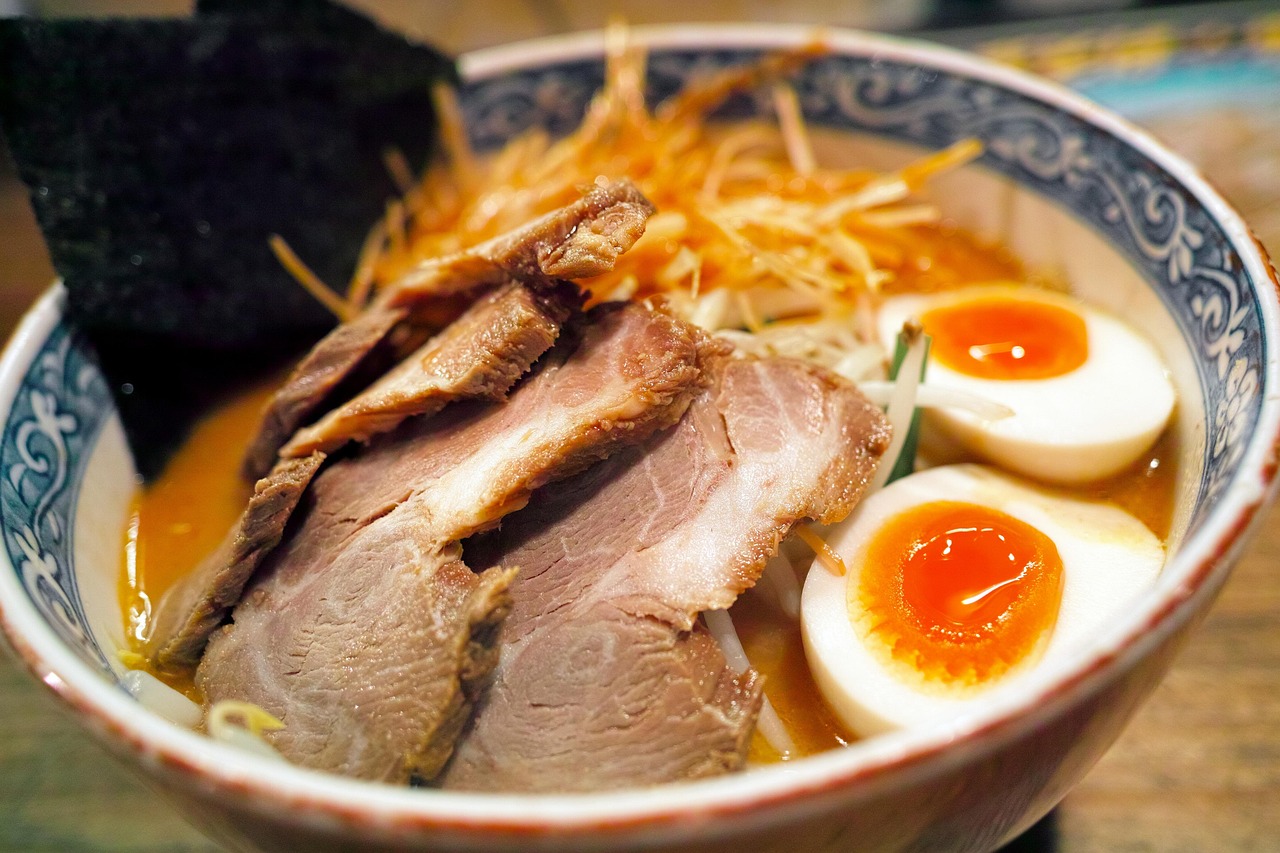
Tonkotsu is a broth: pork bones boiled hard for hours until the collagen and fat emulsify into something opaque and milky. It is rich, porky and coats your mouth. This is Ippudo's Shiromaru, Keisuke's Tonkotsu King, Takagi's house bowl. If you want the safe, satisfying, obviously delicious option, order this.
Tantanmen is a flavour profile built on top of a broth, Japan's reworking of Sichuan dan dan noodles, using sesame paste and soy milk for body and Japanese rayu chilli oil for heat. It lands creamy, spicy and nutty rather than searing. Confusingly, it can be built on a chicken, pork or vegetable base, so two tantanmen bowls in different shops can taste nothing alike. The purist destination is ENISHI (10 Anson Road, #02-85A, International Plaza), a nine-seat counter from Kobe, where the Japanese original holds a Michelin Bib Gourmand. The menu is two items, Dan Dan Noodles and Japanese Dashi Noodle, and the kitchen makes 100 bowls a day and closes when the soup runs out. Read its hours carefully: 11am-3pm and 6-9pm daily, public holidays included, so the mid-afternoon walk-in that works everywhere else will find it shut. For a tantanmen you can get any day without planning, Takagi sells one at S$11.90 at every outlet, up from S$9.90 before its repricing.
Tsukemen is a format, not a broth. Chilled, naked noodles on one plate; a small bowl of heavily concentrated dipping broth on the other. Because that broth never has to fill a bowl, it is reduced much further: thicker, saltier, usually pushed hard toward dried fish. It is the best-value order for big eaters, since the free or cheap kaedama (noodle refill) stretches one dipping bowl a long way.
Quick rule: tonkotsu when you want comfort, tantanmen when you want heat and sesame, tsukemen when you care more about the noodles than the soup.
What a bowl actually costs, and why the published numbers disagree
Four shops on this list now publish prices, up from three, because Marutama has started printing a full menu with per-outlet availability. That kills the S$15-22 estimate everyone repeated for it: the Tan-men is S$14.00, the popular Marutama Ramen S$14.90, the signature Aka Marutama S$18.00, and the ceiling is S$22.00 for a Zenbu Nose Aka Ramen at Millenia Walk. The cheapest thing it sells is a S$13.80 Volcano Ramen, stocked only at Downtown Gallery and 18 Tai Seng. Marutama's menu states no tax basis, so assume GST is added.
Takagi has moved the other way, and hard. Every bowl on its menu has been repriced: the house tonkotsu from S$7.90 to S$10.90, miso from S$8.90 to S$11.90, the tantanmen from S$9.90 to S$11.90, and the two crab bowls from S$16.50 to S$20.90. The floor is now the S$9.90 dry ramen (Mazemen, Goma Dorai, JiaJia Men). Two things have quietly come off its site along with the old prices: the word nett, and the printed line promising a free 100g kaedama with every ramen. That refill cannot currently be verified, so check at the counter rather than trusting older write-ups, including ours. Its sides are still priced online: S$4.90 okayu sets (5am to 11am) and S$3 onigiri.
Tsuta and Sanpoutei print before GST, so add roughly 9%. Ippudo, Ramen Keisuke and Tonkotsu Kazan publish nothing at all, so every "S$15-22" you read for those three, including in older versions of this guide, is a market estimate rather than a checkable figure.
The awkward case is Tsuta, because its own two menus disagree with each other on every bowl, not just the famous one. On the full brochure the Original Truffle Shoyu Soba is S$16.80 regular and S$13.80 light, and the plain Tonkotsu Soba is S$12.80 regular and S$9.80 light. On the single-size card behind the "Click Menu" buttons the same two bowls are S$18.80 and S$15.80. Both PDFs sit on Tsuta's own site. So the honest span is S$9.80 to S$18.80 before GST, and which one you pay depends on the card your shop is using that day. Neither PDF includes the Mazesoba series the homepage is advertising, so if you are going for a specific bowl, ask in store.
Add-ons are where a cheap bowl stops being cheap, and they diverge the same way. An ajitama is S$2.50 at Tsuta on both menus, but a 40g noodle refill is S$1 on the brochure and S$2 on the card, and only the card sells a S$6.80 Jumbo Topping Set and a S$2.80 rice set.
Where the free refills are
This used to be a list of two. It is now a list of one that we can actually stand up:
- Ramen Keisuke, "Ramen Monday": unlimited free kaedama every Monday of 2026 at seven outlets (Ramen Dining Keisuke Tokyo at Capitol, Tonkotsu King Tanjong Pagar, Tori King at 100AM, Tonkotsu King Four Seasons at Bugis, Tonkotsu King & Niku King at Paya Lebar Square, Tonkotsu King Holland Village, Ramen Keisuke Singapore at Changi T2). One regular bowl of ramen per customer. It does not apply to Jiro Style Ramen or Iekei Ramen at Capitol, the Tori King Tsukemen, the Tonkotsu King Tsukemen at Holland Village, or the Keisuke Prawn Mee, Bak Kut Teh and Laksa at Changi T2. The same poster gives free kids' ramen at Capitol, Four Seasons, Tori King, Tonkotsu King Holland Village and Tonkotsu King Tanjong Pagar. Re-read off Keisuke's own poster on 17 September 2026 and unchanged.
- Takagi Ramen belonged here on the strength of a free 100g kaedama printed on its own menu at all 12 outlets. That line is no longer on the site. Until it reappears or a member of staff confirms it, treat it as lapsed rather than live.
Related reads
*Prices, outlets, opening hours and promotions above were read off each brand's own website, menu PDF or published menu artwork on 17 September 2026: tsuta.com, keisuke.sg, stores.ippudo.com, marutama.com.sg, mensho.com, takagiramen.com, sanpoutei.sg, enishi-sg.com and tonkotsukazan.com, with outlet lists cross-checked against the landlords' own tenant directories at capitaland.com, vivocity.com.sg and takashimaya.com.sg. Where a brand publishes no prices, we say so rather than estimating. Restaurants change menus, prices and hours without notice, so confirm before travelling.*