8 Best Tuition & Enrichment Centres in Singapore 2026 — How to Choose (Types, Costs & What to Check)
Kids

8 Best Tuition & Enrichment Centres in Singapore 2026 — How to Choose (Types, Costs & What to Check)

Singapore's tuition and enrichment market is enormous — and knowing which type of centre fits your child's stage and needs saves both money and stress. This guide maps 8 well-known providers across premium group tuition, mass-market chains, early-childhood enrichment, and subject specialists — plus the full parent framework: tuition vs enrichment explained, delivery formats, approximate 2026 costs, MOE registration, what to check before signing up, when a child genuinely needs tuition, and the caution against over-scheduling.

Priya Nair12 June 202612 min readUpdated 25 Jul 2026

Singapore's tuition and enrichment market is one of the most developed in the world — and that breadth means parents can easily end up paying for the wrong type of programme, at the wrong time, for a child who may not need it at all. Below are 8 well-known providers to start your shortlist, plus the full framework to help you choose intelligently.

> Before signing up for anything: take a trial lesson, check teacher credentials (not just the brand name), confirm class size, and get the full fee schedule in writing. For tuition centres operating as private schools or learning centres, verify registration on the CPE website (ssg-wsg.gov.sg).

All costs below are approximate 2026 ballparks — confirm current fees, schedules, and availability directly with each centre.

Tuition vs enrichment — which type do you need?

TypeWhat it isWhen to use it
Academic tuitionMOE-syllabus aligned catch-up / advancementSubject gap, exam prep, falling behind
EnrichmentSkills/development beyond the syllabusEarly childhood, language, arts, coding

The two serve different purposes. Tuition is the answer when there is a specific, consistent academic gap. Enrichment builds capabilities that school alone doesn't cover — but it is not a substitute for addressing genuine academic gaps.

The 8 providers by type

TypeCentresBest for
Premium group tuitionThe Learning Lab, MindChampsSmall classes, premium alignment, whole-child angle
Mass-market tuition chainsMind Stretcher, AGrader, KIP McGrathWide availability, mainstream pricing
Early-childhood enrichmentHeguru, ShichidaInfant/toddler brain development
Subject specialistsBerries, British Council, KumonTargeted Chinese / English / self-paced Maths

Approximate 2026 costs (group tuition)

FormatApproximate monthly cost
Value chains (AGrader, KIP McGrath)~S$150–250/month
Mass-market chains (Mind Stretcher)~S$180–300/month
Premium small-group (The Learning Lab)~S$350–500+/month
1-to-1 home tuition (undergrad tutor)~S$25–40/hour (primary)
1-to-1 home tuition (experienced/MOE tutor)~S$60–100+/hour (secondary/JC)
Early-childhood enrichment (Heguru/Shichida)~S$200–400+/month
KumonTypically lower monthly fee — confirm directly

Costs add up quickly across multiple subjects. Be realistic about the total monthly commitment before signing up for more than one programme.

The vetting checklist

  1. MOE / CPE registration — baseline legitimacy check for any centre (verify at ssg-wsg.gov.sg)
  2. Teacher credentials + experience — ask about the specific teacher, not just the brand
  3. Class size — directly affects individual attention
  4. Trial lesson — non-negotiable before committing
  5. Recent parent reviews — check KiasuParents.com + Google for outlet-level feedback
  6. Full fee schedule in writing — monthly tuition, registration, materials, deposit, cancellation policy
  7. Curriculum alignment — confirm how the programme maps to the MOE exam specifications for your child's level

When does a child genuinely need tuition?

  • A consistent gap in a subject (not a one-off bad test) across multiple assessments
  • Falling behind on foundational concepts that compound over time
  • Exam preparation — PSLE, O-Levels, A-Levels
  • Child's confidence in a subject has dropped to the point it's affecting broader learning motivation
  • The child asks for help and is willing to engage

If the main driver is parental anxiety rather than an observable academic gap, pause before signing up — a well-rested child with protected free time often outperforms a heavily scheduled one.

The over-scheduling caution

Singapore children are among the most heavily scheduled in the world. A child doing school, tuition, enrichment, and CCAs across five evenings per week is likely exhausted — and exhausted children do not retain information well regardless of how much is spent. Quality of attention beats raw hours. Identify the one or two areas of genuine need, invest there, and protect time for play and rest.

Pair with

*Cover image: Pexels (classroom / learning environment — multi-brand category image per image-source policy). Centre details above are general positioning based on publicly available information, NOT endorsements; quality varies by outlet, teacher, and year. Always verify current MOE/CPE registration, confirm fees, attend a trial lesson, and check recent parent reviews before committing. Confirm all details directly with each provider — this article is a starting framework, not a substitute for your own due diligence.*

8 tuition & enrichment providers at a glance — Singapore 2026 (confirm all fees and availability directly)

CentreTypeBest forKey check
The Learning LabPremium group tuitionSmall classes, premium MOE alignmentTrial lesson + current fees
MindChampsPremium tuition + mindsetAcademic + whole-child developmentTeaching style fit for your child
Mind StretcherMass-market chainWide network, mainstream pricingOutlet-level reviews + class size
AGraderValue group tuitionBudget-conscious families, P1–S4Teacher experience + class size
KIP McGrathSmall-group, progress-trackedIndividualised attention in groupAssessment + trial session
HeguruEarly-childhood enrichmentInfant/toddler right-brain developmentDemo class + age-band fit
ShichidaEarly-childhood enrichmentWhole-brain from infant ageTrial class + advance enrolment
Berries / British Council / KumonSubject specialistsChinese / English / self-paced MathsConfirm fees + format per provider
1
The

The Learning Lab — Premium Small-Group Tuition

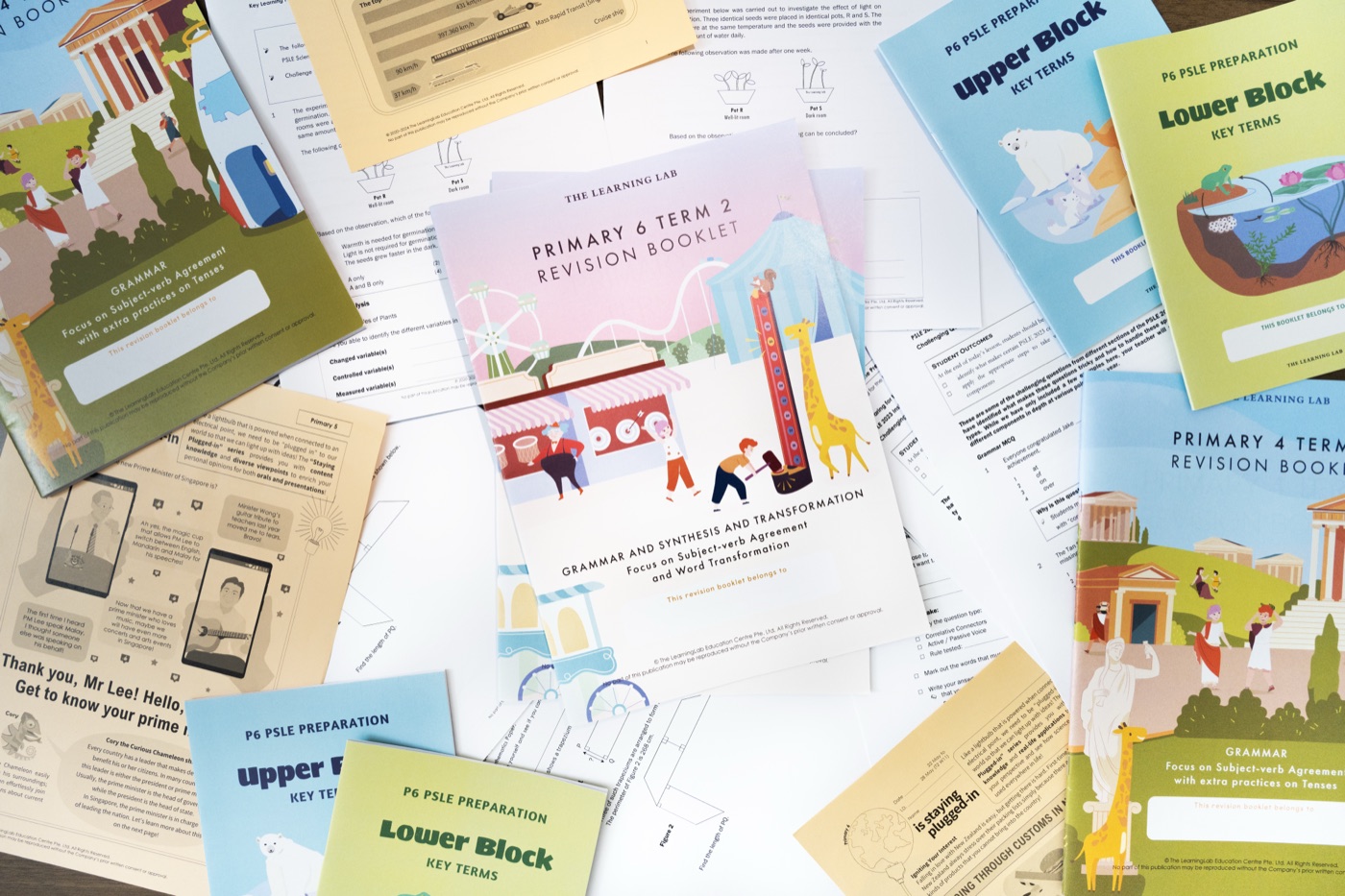
The Learning Lab (TLL) is one of Singapore's best-known premium tuition brands, positioned at the higher end of the group-tuition market. WHAT IT'S KNOWN FOR: small class sizes, polished curriculum materials closely aligned to the MOE syllabus, and experienced teachers covering English, Mathematics, and Science across primary and secondary levels. The premium pricing reflects the class size and teaching quality rather than a 'more students per class' mass-market model. WHO IT SUITS: families who want a structured, premium group-tuition experience and are prepared to pay more for smaller classes and strong curriculum alignment. WHERE TO CHECK: multiple outlets across Singapore (check their website for the nearest location and current vacancy). WHAT TO VERIFY: attend a trial lesson (TLL offers this) to assess whether the teaching style and pace suit your child; check class size, teacher qualifications, and the current fee schedule directly with the outlet, as pricing varies by subject, level, and outlet. Confirm current availability and fees on the TLL website.

Book a Lesson Experience; enrol after for a 1-lesson fee waiver off termly fees

Visit website
2
MindChamps

MindChamps — Academic Tuition + Mindset Methodology

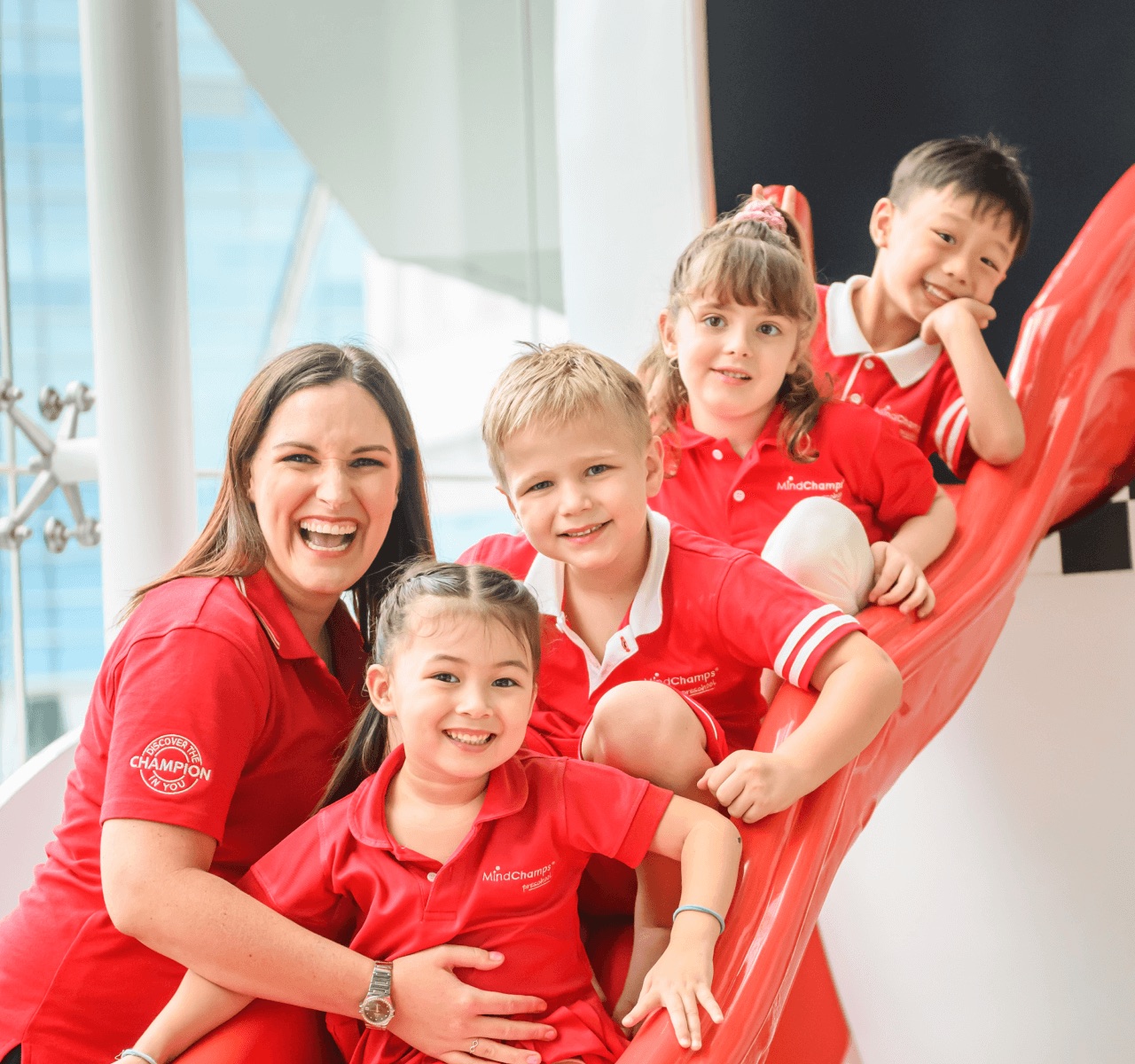
MindChamps is a Singapore-founded education brand operating across early childhood, reading, writing, and academic tuition — blending MOE-syllabus academic content with its proprietary 'Champion Mindset' methodology, which draws on research in neuroscience and positive psychology. WHAT IT'S KNOWN FOR: combining the standard subjects (English, Maths, Science at primary and secondary) with a framework designed to build a resilient, growth-oriented learner — rather than pure content drilling. WHO IT SUITS: families who want academic tuition but also value the 'whole child' developmental angle; also a starting point for reading and writing at the preschool level via its pre-school division. WHAT TO VERIFY: visit a centre for a trial lesson and assess whether the teaching approach resonates with how your child learns; confirm the current fee schedule, class size, and teacher experience directly, as these vary by location and level. Multiple outlets across Singapore — check their website for the nearest centre and current vacancies.

Sign up for a trial lesson

Visit website
3
Mind

Mind Stretcher — Large-Network Mass-Market Tuition

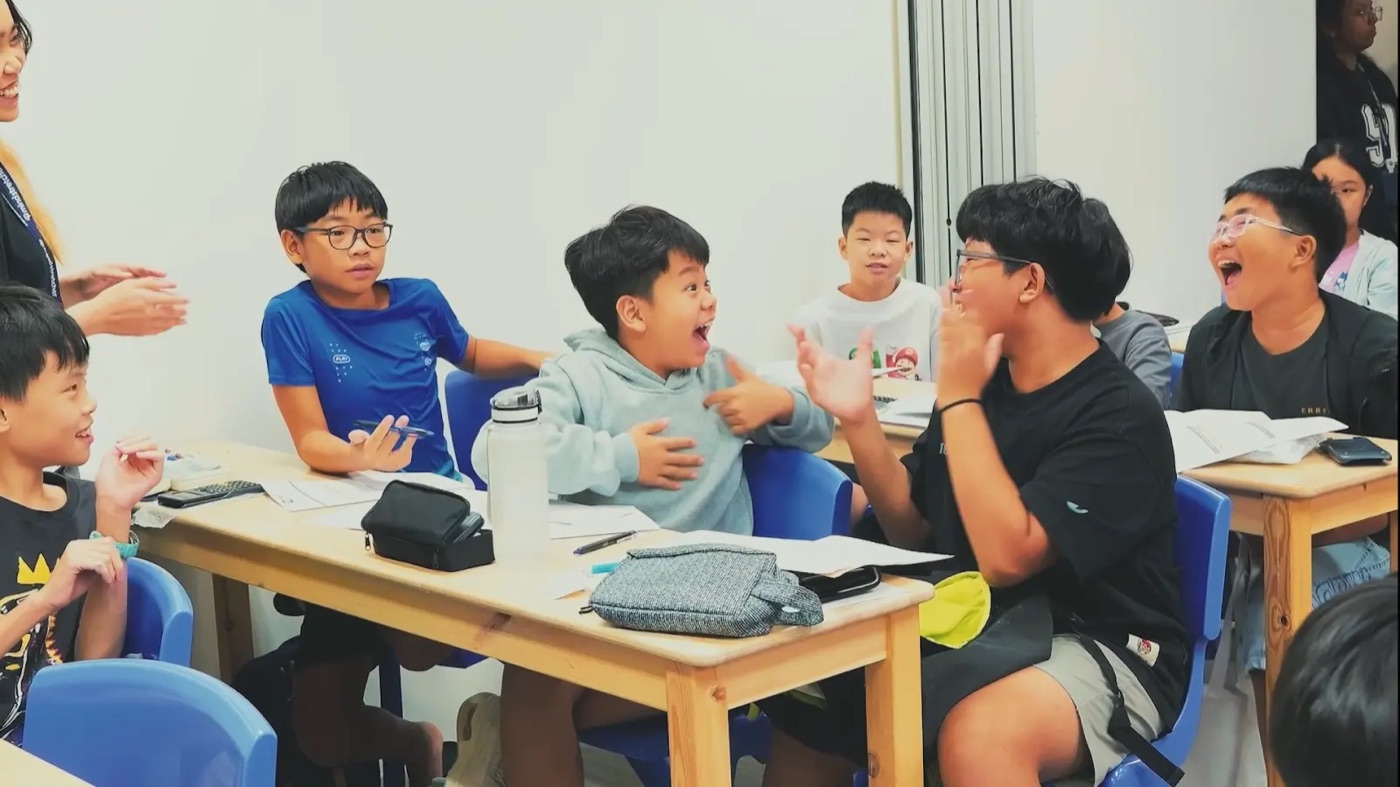
Mind Stretcher is one of Singapore's largest tuition chains by outlet count, offering group tuition across a broad range of MOE subjects and school levels — from primary to secondary and junior college. WHAT IT'S KNOWN FOR: a wide outlet network (convenient for most areas of Singapore), a broad curriculum covering English, Maths, Science, and Higher Chinese, and pricing positioned for the mainstream family market. Group classes are larger than premium centres, which is how costs are kept accessible. WHO IT SUITS: families who want a reputable, widely available tuition option at a mainstream price point and are comfortable with a larger group-class format. WHAT TO VERIFY: centre-level quality can vary across a large franchise — read recent parent reviews for the specific outlet you're considering; ask about the teacher's qualifications + experience and class size; attend a trial lesson; confirm current fees and schedules directly with the outlet as these vary by subject and level.

Free trial class available

Visit website
4
AGrader

AGrader Learning Centre — Value Group Tuition, Primary & Secondary

AGrader Learning Centre is a competitively priced Singapore tuition chain offering group classes across core MOE subjects at primary and secondary levels — one of the more value-positioned options among structured tuition centres. WHAT IT'S KNOWN FOR: covering English, Maths, and Science at primary and secondary levels with group tuition pricing that appeals to budget-conscious families who still want a structured centre environment with lesson notes and curriculum support rather than engaging a freelance tutor. WHO IT SUITS: families seeking a reliable, structured tuition centre at a lower monthly cost than premium players; useful for general academic reinforcement as well as exam preparation. WHAT TO VERIFY: as with any chain, quality varies by outlet and individual teacher — ask specifically about the teacher's qualifications and experience with the PSLE or O-Level syllabus; check class sizes; attend a trial session; and confirm current fees and subject availability directly with the outlet.

4-lesson trial for new students, no deposit or registration fee

Visit website
5
KIP

KIP McGrath — Small-Group, Progress-Tracked Tuition

KIP McGrath is an internationally franchised tuition brand with Singapore centres, offering small-group tuition in English and Maths — typically with individual progress tracking and a more personalised approach than large-batch classes. WHAT IT'S KNOWN FOR: small class sizes designed to allow more individual attention than mass-market chains; structured, individually tailored lesson programmes built from an initial assessment; and a focus on English and Maths from primary through secondary level. WHO IT SUITS: children who need more individualised attention within a group setting — particularly for catching up on foundational gaps or consolidating weaker areas — but whose parents want a structured centre environment rather than 1-to-1 home tuition. WHAT TO VERIFY: as a franchise, quality depends on the individual centre owner and teachers — attend an initial assessment + trial session; check teacher experience; confirm current class sizes, fee schedule, and programme structure directly with your nearest outlet.

Free obligation-free assessment by a qualified teacher

Visit website
6
Heguru

Heguru — Right-Brain Early Childhood Development

Heguru is a Japanese-origin early-childhood enrichment programme with Singapore centres, focused on right-brain development for infants and young children — typically from a few months old up to around primary school age. WHAT IT'S KNOWN FOR: fast-flash card activities, image training, memory exercises, and other sensory and cognitive stimulation techniques associated with the 'right-brain education' methodology, delivered in structured, energetic classes with parent participation (especially for the youngest age groups). WHO IT SUITS: parents of infants and toddlers who are interested in early stimulation and brain development programmes; it is enrichment, not academic tuition — it does not target the MOE school syllabus. WHAT TO VERIFY: observe a demo or trial class before committing; confirm the age group your child falls into (the programme structure varies by age band); check current class schedules, fees, and outlet availability on the Heguru Singapore website, as capacity is often limited and advance booking may be needed.

Visit website
7
Shichida

Shichida — Whole-Brain Development for Infants & Young Children

Shichida is another Japanese-origin early-childhood enrichment methodology with Singapore centres, focused on whole-brain development — particularly memory, image training, and intuitive abilities — starting from infant age (typically from around six months old). WHAT IT'S KNOWN FOR: a structured programme drawing on the Shichida method, emphasising both left- and right-brain stimulation through activities like photographic memory exercises, ESP games, story reading, and flash cards; parent-and-child classes with active parental participation. WHO IT SUITS: parents who want an early-childhood enrichment programme grounded in a specific whole-brain methodology from infancy; it is enrichment and early development, not MOE-syllabus academic support. WHAT TO VERIFY: attend a trial class before committing; confirm the current age-band programme your child qualifies for; check fees, outlet locations, and schedule on the Shichida Singapore website — classes fill up and early enrolment is typical. Note that both Heguru and Shichida are premium-priced enrichment programmes.

Visit website
8
Subject

Subject Specialists: Berries, British Council & Kumon

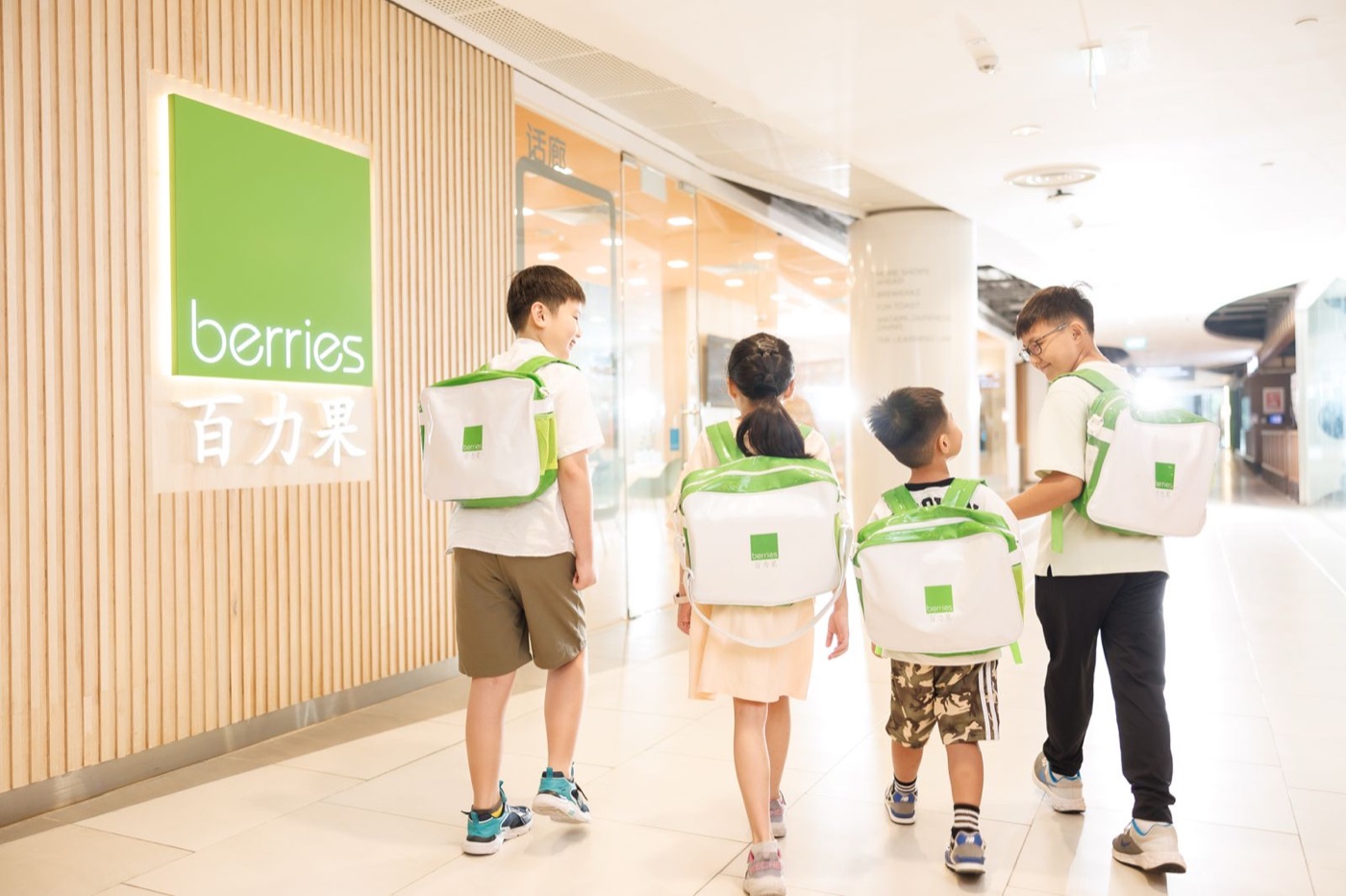
Three subject-specialist providers worth knowing for targeted language and numeracy support: BERRIES WORLD OF LEARNING — a Singapore Chinese-language specialist for preschool through primary, known for making Mandarin engaging for young children through activity-based and story-led programmes; useful if your child needs targeted Chinese enrichment or is in an English-medium household wanting to build Mandarin confidence. BRITISH COUNCIL SINGAPORE — the UK's cultural and education body runs English language programmes for children and teens across Singapore, from young learner classes to Cambridge exam preparation; strong reputation, internationally recognised, and useful for families wanting a high-quality English enrichment or exam-prep programme beyond the school syllabus. KUMON — the global self-paced worksheet methodology for Maths and English from preschool upwards; students work through daily worksheets at their own level, advancing when they master each stage. Builds strong numeracy and reading fundamentals; best for children who can self-motivate with daily practice. Confirm fees and availability directly with each provider — costs and class structures differ across the three.

Visit website

Frequently Asked Questions

What is the difference between tuition and enrichment — and which does my child need?

These two terms are often used interchangeably but they mean different things in the Singapore context, and mixing them up leads to parents spending money on the wrong thing. TUITION = academic support aligned to the MOE school syllabus. The goal is to reinforce, catch up on, or get ahead of what a child is learning at school — for a specific subject like Maths, English, or Science at primary or secondary level. You go to a tuition centre when school results suggest a gap, when a child is struggling with a particular topic, when exam preparation is the goal (PSLE, O-Levels), or when parents want to supplement classroom learning with more practice. ENRICHMENT = activities and programmes that develop skills or abilities beyond or outside the school syllabus. This covers a wide range: early-childhood right-brain or whole-brain programmes (Heguru, Shichida) for infants and toddlers before formal schooling starts; language enrichment (Berries for Chinese, British Council for English) that goes deeper or is more engaging than what school provides; arts, music, coding, sports, speech and drama — anything that builds a capability not specifically tied to a school exam result. A PRACTICAL RULE: if your child is struggling in a school subject and results are under pressure, academic tuition is the direct answer. If your child is doing reasonably well academically but you want to broaden their development, strengthen a particular skill, or start early stimulation before school age, enrichment is the frame. Many families do both — but be realistic about scheduling, cost, and your child's energy levels. A child who is over-scheduled is rarely doing their best in any of the activities. Confirm the nature and format of any programme with the provider before enrolling.

What does tuition actually cost in Singapore in 2026 — and is group, home, or online best?

There are three main delivery formats, each with different costs and trade-offs (all figures below are approximate 2026 ballparks — confirm directly with providers as fees change): GROUP TUITION AT A CENTRE: the most common format. Value chains like AGrader run approximately S$150–250/month for a regular weekly session; established mass-market chains like Mind Stretcher are broadly in a similar range but vary by level; premium small-group centres like The Learning Lab can be approximately S$350–500+/month depending on subject and level. Class sizes matter: premium centres run smaller groups (more individual attention); mass-market centres are larger. Group tuition is cost-effective per hour of instruction and keeps children socially engaged. 1-TO-1 HOME TUITION: a private tutor comes to your home (or the child goes to the tutor). Pricing varies widely by tutor profile: part-time undergraduate tutors typically start around S$25–35/hour at primary level; full-time or MOE-experienced tutors at secondary and JC level can be S$60–100+/hour. Most flexible in terms of timing and tailoring content to the specific child — but there's no standardised quality benchmark, so tutor selection matters a lot. ONLINE TUITION: increasingly common post-pandemic; often cheaper than equivalent in-person tuition and removes travel time, though some children focus less well on-screen than in person. A growing number of centres offer hybrid options. ENRICHMENT (early-childhood, language specialists) is priced very differently — programmes like Heguru and Shichida tend to be in the S$200–400+/month range; Kumon monthly fees are typically lower. Confirm all fees directly; the total monthly outlay adds up quickly across multiple subjects or activities.

How do I know if a tuition centre is legitimate — and what should I check before signing up?

Unlike maid agencies (which are MOM-regulated via a licensing and demerit system), Singapore tuition centres operate under a lighter registration framework — but there are still important checks. MOE REGISTRATION: tuition centres that operate as private schools or learning centres should be registered with the Committee for Private Education (CPE) or MOE's relevant registry. You can verify this on the CPE website (ssg-wsg.gov.sg). This is not a quality guarantee but it is a baseline legitimacy check — avoid unregistered operators for anything beyond very informal individual tutoring. WHAT TO CHECK BEYOND REGISTRATION: (1) TEACHER CREDENTIALS + EXPERIENCE — ask about the specific teacher's qualifications (degree subject, MOE teaching experience if any) and how long they have been teaching this subject at this level. A centre's marketing name is not a proxy for teacher quality; the individual teacher matters most. (2) CLASS SIZE — know how many students are in the class before you sign up; this directly affects the attention your child gets. (3) A TRIAL LESSON — virtually all reputable centres offer one; use it to let your child (and yourself) assess whether the teaching style, pace, and classroom environment are a fit. (4) RECENT PARENT REVIEWS — Google and parent forums (KiasuParents.com is widely used in Singapore) are useful for outlet-level feedback; look for patterns over a recent period rather than isolated reviews. (5) FEE TRANSPARENCY — get the full fee schedule in writing: monthly tuition fees, registration fee, material fees, any deposit, and the cancellation/refund policy. (6) CURRICULUM ALIGNMENT — for academic tuition, ask how the syllabus covered maps to the MOE exam specifications for your child's level (PSLE, O-Level, etc.). These checks protect you regardless of which centre you choose.

When does a child genuinely need tuition — and how do I avoid over-scheduling?

Not every child needs tuition, and not every child who is enrolled in tuition is benefiting from it — two things that can be easy to lose sight of in Singapore's high-achievement culture. SIGNS A CHILD PROBABLY NEEDS TUITION: (1) There is a specific, consistent gap in a subject — not a one-off bad test, but a pattern across assessments suggesting genuine difficulty with the content. (2) The child is falling behind on foundational concepts (e.g. basic fractions in Maths, grammar fundamentals in English) that will compound over time without targeted help. (3) A big exam is approaching (PSLE, O-Levels) and focused preparation beyond classroom teaching is warranted. (4) The child's own confidence in a subject has dropped to the point that it's affecting their attitude toward learning generally. (5) The child asks for extra help and engages willingly — self-motivation is a strong predictor of tuition effectiveness. SIGNS YOU MIGHT NOT NEED IT YET: the child is broadly keeping up, results are in a reasonable range, and the driver for tuition is primarily parental anxiety rather than a genuine academic gap. OVER-SCHEDULING WARNING: Singapore children are among the most heavily scheduled in the world. A child doing school, tuition, enrichment, and co-curricular activities across five evenings per week is likely exhausted — and an exhausted child does not absorb information well, regardless of how much is spent on classes. Quality of attention beats quantity of hours. A practical approach: identify the one or two areas of genuine need or strongest development interest, invest there, and protect free time for play and rest. Reassess every six months — needs change as a child progresses through school.

Related reads

#best tuition centre singapore 2026#enrichment centre singapore#tuition centre singapore primary school#best enrichment classes singapore kids#learning lab singapore#mindchamps singapore#mind stretcher singapore#kumon singapore#heguru singapore#how to choose tuition centre singapore

You Might Also Like