Which co-living operator is cheapest in Singapore right now?+
Re-checked directly on each operator's own site on 17 October 2026, THE ASSEMBLY PLACE IS STILL THE CHEAPEST, and it is the one most guides (including our own previous edition) said does not publish rates. Its Find A Home page lists 117 homes with prices and a low-to-high sort, and the floor is S$770/MONTH for a TAP Lite single room at Campus by TAP Blocks A and B, 116 Lorong J and 119 Lorong K Telok Kurau, 754m from Kembangan MRT, on a ONE-MONTH flexible lease with utilities, fibre broadband, weekly housekeeping, gym and washer-dryer listed as included. Move fast, though: only 41 of the 428 rooms there show available. The rest of the ladder: COVE S$800/month for a Pocket Room at Cove 199, 87 Lorong L Telok Kurau, on a 12-month lease (S$850 on 6 months, S$900 on Cove's 3-month minimum), available from 1 November 2026 (re-checked 26 October); its S$1,000 Season Pass at 26A Opal Crescent ended on 25 October. HMLET S$1,418/month for a private co-living room at Euro Asia Park in Woodleigh, the cheapest on hmlet.com, though its landing page says listed prices assume a six-month lease. FIGMENT S$1,800/month at Temak House and Alawi House, but the median starting price across its 36 houses is S$2,500. COLIWOO publishes no rates anywhere and LYF BY ASCOTT publishes nightly rates only, with long stays routed through Ascott's Extended Stay programme. If you are a Singaporean aged 21-35, the SG YOUTH PLAN starts at S$1,800/month at 1925 Quarters, but those rates EXCLUDE utilities and deposits, so the government-backed scheme is more than twice the price of TAP's cheapest room, which anyone can book. One more trap: at TAP's 77A Dunlop Street the S$950 rate buys a SHARED room and the private one is S$1,400. Every rate here moves with availability, so treat them as a starting point rather than a promise.
Co-living vs renting a room vs a whole unit, what's the difference and which is for me?+
All three get you a place to live, but they differ on commitment, cost, and convenience: (1) CO-LIVING: a furnished room in a managed property where ONE all-in monthly fee bundles rent + utilities + wifi + cleaning of common areas + community/events, usually on a FLEXIBLE lease (often 1-3 month minimums). You move in with a suitcase; no furniture-buying, no separate utility accounts, easy to leave. Costs a premium for that convenience + flexibility. Best for: expats/relocators, young professionals, students, anyone wanting flexibility + community + zero setup. (2) RENTING A ROOM (conventional): you rent a room in an HDB/condo from a landlord; usually CHEAPER per month, but you may need to furnish it, sort/split utilities, commit to a longer lease (often 1-2 years or at least 6 months), and there's no built-in community or cleaning. Best for: cost-focused renters who'll stay a while and don't mind the admin. (3) WHOLE UNIT: renting an entire flat/condo: most space + privacy, but most expensive + most commitment (full lease, full furnishing or higher rent for furnished, all utilities). Best for: couples/families or those wanting full privacy + space. HOW TO DECIDE: prioritise flexibility + move-in-ready + community → co-living; prioritise lowest monthly cost + willing to commit/furnish → rent a room; need full space/privacy → whole unit. Note co-living's all-in fee can actually be competitive once you add up a room's rent + utilities + wifi + furniture + cleaning, especially for short-to-medium stays. Always compare the true all-in cost.
How much does co-living cost in Singapore in 2026, and what's included?+
VERIFIED 2026 RANGE (re-checked on the operators' own sites, 17 October 2026): a co-living room runs from S$770 to about S$2,800 per month, rising to S$4,500 and beyond for a studio, apartment or whole landed home. The floor is a TAP Lite single room at Campus by TAP in Telok Kurau at S$770; the better-known brands start higher, at S$800 (Cove, on a 12-month lease), S$1,418 (Hmlet) and S$1,800 (Figment). The high end is ensuite rooms, prime central locations and design-led branded residences. WHAT'S TYPICALLY INCLUDED in the all-in fee: the furnished room, utilities (often with a fair-use cap; heavy aircon use may incur extra), wifi, cleaning of common areas (and sometimes your room periodically), access to shared facilities (kitchen, lounges, sometimes co-working/gym), and community events. WHAT TO CLARIFY because it varies: (1) UTILITY CAPS: many operators include utilities up to a cap, then bill excess (aircon is the usual culprit); ask the cap + overage rate. (2) ROOM CLEANING frequency (common-area cleaning is standard; in-room cleaning varies). (3) DEPOSIT: typically 1+ month, and the refund conditions. (4) MINIMUM STAY + NOTICE: flexible doesn't mean no minimum; many require 1-3 months minimum + a notice period to leave. (5) WHAT'S EXTRA: parking, laundry, premium-room surcharges, one-time admin/membership fees. VALUE CHECK: co-living looks pricier than a bare room rental at first glance, but once you add a normal room's utilities + wifi + furniture + cleaning + the flexibility (no long lease, no agent fee), it's often competitive for short-to-medium stays. Always get the all-in figure + the list of inclusions/exclusions in writing, and confirm current pricing with the operator.
Who is co-living best for, and who should skip it?+
CO-LIVING IS A STRONG FIT FOR: (1) EXPATS + RELOCATORS: move in with a suitcase, no furniture-buying, no long lease while you settle in or decide where to live longer-term. (2) YOUNG PROFESSIONALS: convenience + community + a social network in a new city/job, with flexibility if your situation changes. (3) STUDENTS / interns: furnished + flexible for a semester or placement. (4) PEOPLE IN TRANSITION: between homes (e.g. during a renovation, a home sale, or a relocation), where a flexible furnished room bridges the gap. (5) THOSE WHO VALUE COMMUNITY: events, shared spaces, and built-in housemates beat a solo room rental for many. WHO MIGHT SKIP IT: (1) LONG-TERM, COST-FOCUSED renters who'll stay put for years. A conventional room or whole-unit rental is usually cheaper over time. (2) FAMILIES / couples wanting full space + privacy. Co-living is mostly room-based + single-occupant-oriented. (3) PEOPLE WHO WANT TOTAL PRIVACY/quiet. Shared common areas + community programming aren't for everyone. (4) THOSE ON A TIGHT BUDGET who don't need the bundled services. A bare room can be cheaper if you don't mind the admin + furnishing. HOW TO CHOOSE THE RIGHT ONE (if it fits you): match the vibe (hotel-grade branded like lyf, app-flexible like Cove, which now also holds the former Casa Mia shophouse rooms, big-network like Coliwoo, heritage shophouse like Figment), prioritise location/MRT, view the actual unit, read per-property reviews, and confirm the all-in cost + minimum stay. Always verify current terms with the operator.
What should I check before signing a co-living contract?+
Before you commit, run this checklist: (1) WHAT'S INCLUDED vs EXTRA: get the all-in monthly fee in writing AND the list of inclusions (utilities + any cap, wifi, cleaning frequency, facilities access, community events) and what's billed on top (utility overage/aircon, parking, laundry, premium-room surcharge, one-time fees). (2) MINIMUM STAY + NOTICE PERIOD: 'flexible' still usually means a 1-3 month minimum + a notice period to move out; know both so you're not locked in or penalised. (3) DEPOSIT: how many months, and the exact refund conditions (cleaning deductions, damage). (4) THE ACTUAL ROOM + PROPERTY: view it in person or via a proper virtual tour; room type (shared apartment vs private studio, ensuite vs shared bathroom), natural light, noise, and the state of common areas vary hugely per property even within the same brand. (5) HOUSEMATES + HOUSE RULES: how many share the unit/common areas, guest policy, quiet hours, cleaning responsibilities. (6) LOCATION: MRT proximity, commute, nearby amenities. (7) MAINTENANCE + MANAGEMENT: how issues are reported + how fast they're fixed (read recent resident reviews for this; it's the most common pain point). (8) CONTRACT TERMS: early-termination clauses, rent-increase-on-renewal, and what happens if you need to extend or switch rooms. RED FLAGS: vague 'all-inclusive' with no written breakdown, pressure to sign without viewing, unclear deposit-refund terms, and poor reviews on maintenance responsiveness. Always confirm the current pricing, availability, and full terms directly with the operator before signing.
Is there a cheaper co-living option for young Singaporeans?+
Yes. As of 25 July 2026 there's a government-backed one. Under the SG YOUTH PLAN (a five-year blueprint from the National Youth Council and the Ministry of Culture, Community and Youth), an independent-living initiative offers co-living rooms at discounted rates to SINGAPOREANS AGED 21-35. Note that youthplan.gov.sg itself says only 'discounted rates' - the widely-reported figure of roughly 30% below usual rates came from launch coverage, not the official page. It's aimed at young people who want to live independently, including singles and couples waiting for a BTO flat, and overseas students returning home. THE THREE PROPERTIES + RATES: (1) 1925 QUARTERS, 95 Hindoo Road, Jalan Besar: studio units from S$1,800/month. (2) COLIWOO BOON LAY, 31 Boon Lay Drive: twin and queen rooms from S$1,950/month, with a reading lounge, social kitchen, dining area, gym, laundry room and BBQ pits. (3) COLIWOO LUTHERAN, 1A Lutheran Road, Bukit Timah: twin and queen rooms from S$2,000/month, with lounge, social kitchen, dining, gym, laundry and outdoor gardens. HOW TO APPLY: register interest via youthplan.gov.sg. Just over 100 rooms are in the scheme and they're allocated FIRST-COME, FIRST-SERVED, so it's worth registering early rather than waiting. THE CATCH TO CHECK: these rates EXCLUDE utilities, deposits and other applicable charges. That's different from the typical co-living all-in fee, so add those back before you compare against a normal co-living quote or a room rental. The operators (Coliwoo and Eco-Energy) absorb the subsidy themselves. Final amounts vary by property and room type, so confirm the full cost and the minimum stay directly with the operator before committing.
Is it cheaper to book a co-living room in advance?+
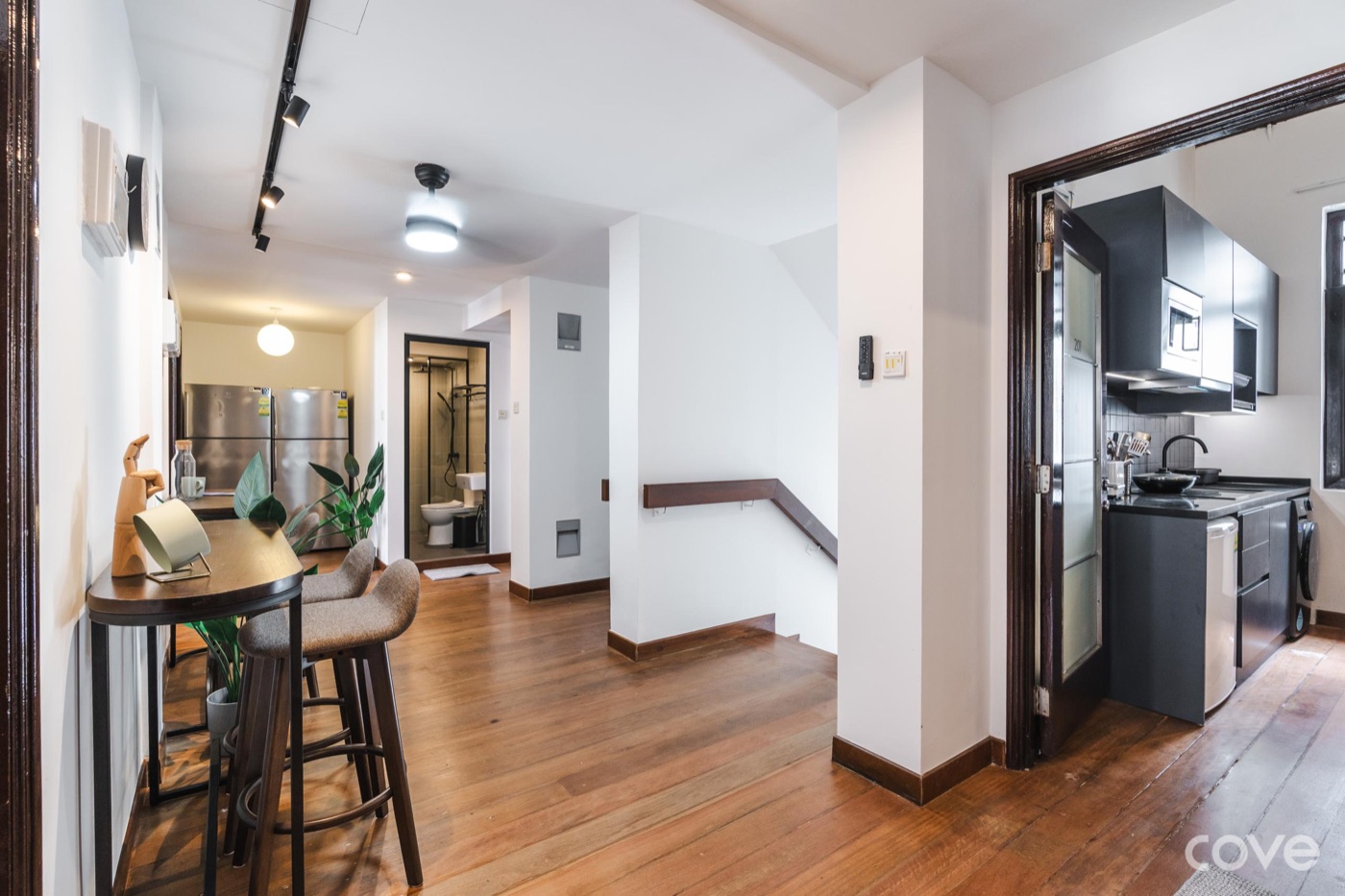
Not at Cove right now. Re-checked on 26 October 2026, the cheapest room on the whole site is a Pocket Room at Cove 199, 87 Lorong L Telok Kurau, at S$800/month on a 12-month lease (S$900 on Cove's 3-month minimum), available from 1 November 2026. The S$1,000 Cove Season Pass at 26A Opal Crescent ended on 25 October. On 17 October the far-dated rooms were all dearer than that: S$1,000/month pocket rooms from 20 December at Dunman Place, from 22 and 25 December at Willyn Ville in Holland Village, from 27 February 2027 at St. Michael's Condominium and from 15 May 2027 at South Buona Vista Road, and S$850/month at Oleanas Residence on Kim Yam Road from 15 MAY 2027, after slipping from a 20 December date in September. In September a late-December start was worth about S$200 a month, because only 18 Cove rooms were free to move into; by 17 October 41 were. THE PATTERN IS ABOUT INVENTORY, NOT A PROMOTION. Rooms with a distant availability date compete for a much smaller pool of renters who can commit that far ahead, so they list lower, and the gap closes when Cove has more empty rooms now. THE CATCHES: you have to bridge the gap somewhere else, the price is a listed asking rate rather than a locked quote until you sign, a far-dated room's start date can slip (the S$850 room moved five months in two weeks), and the regular rates are 12-month prices, so a 3-month stay costs about S$100-S$200 a month more. Sort by lowest price with no availability filter, then compare it with what is free this week before you commit.
Which coliving companies operate in Singapore, and how big is each one?+
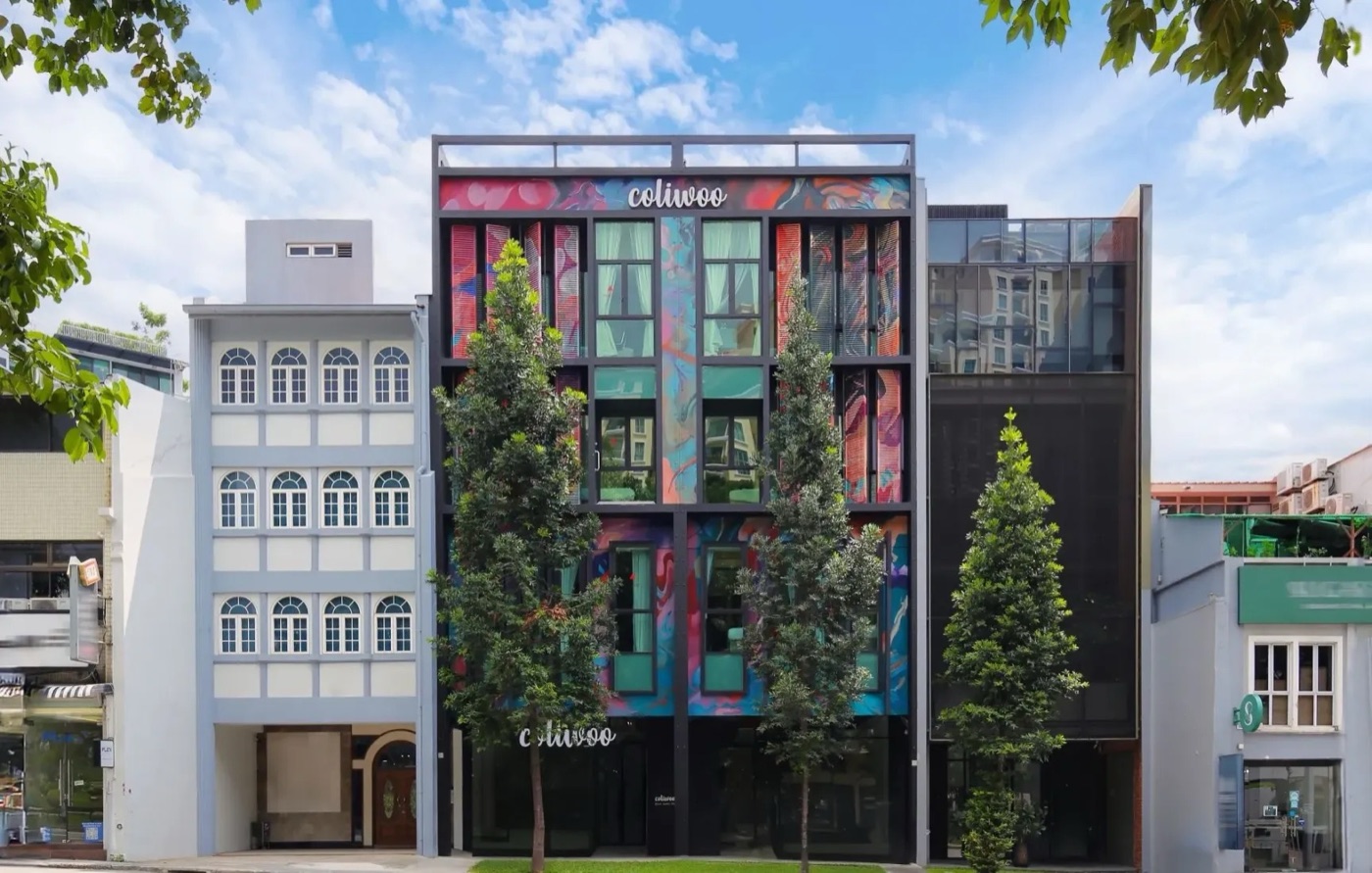
Six operators cover almost the whole market, and they differ more in scale than in concept. THE ASSEMBLY PLACE is homegrown, listed on the Singapore Exchange in 2026 (SGX:TAP), manages over 3,400 keys and shows 117 homes with published prices on its own site, with an AI-powered property in Lorong 22 Geylang due by end-October 2026. COVE is the volume player: 1,824 Singapore listings and, on Casa Mia's own account, more than 8,000 rooms across Asia-Pacific after it absorbed Casa Mia Coliving in November 2025, adding roughly 500 shophouse and landed-home rooms. COLIWOO, part of SGX-listed LHN Group, runs one of the largest local networks including Coliwoo Orchard, three River Valley addresses, Keppel, Midtown, Bukit Timah Fire Station, two co-living hotels and Resort Changi, and is one of two operators in the SG Youth Plan alongside Eco Energy. HMLET, formerly Habyt, was bought by Japan's Mitsubishi Estate in April 2026 along with roughly 1,000 Asia-Pacific units, and books at singapore.hmlet.com. FIGMENT runs 36 heritage shophouse homes, the smallest and most specialised portfolio here. LYF BY ASCOTT, part of CapitaLand, has five Singapore properties: lyf Bugis, lyf Chinatown, lyf Farrer Park, lyf Funan and lyf one-north. Scale matters when you shop: the two biggest portfolios, TAP and Cove, are also the two that publish the most prices, which is why they are the easiest to compare without an enquiry form.
Why is the co-living price I was quoted higher than the price I saw online?+
Because the headline number almost always carries a condition that the listing page does not spell out. Four we found in one afternoon, and all four still stood when we re-checked on 17 October 2026. (1) THE LEASE LENGTH BEHIND THE PRICE. Hmlet's own terms state that the prices shown on its page are based on a SIX-MONTH lease and apply to new members only, while its booking form sets the minimum stay at three months. A shorter stay is not the same number. Cove does the same from the other end: its S$800 floor is the 12-month rate, and the same room is S$900 on its 3-month minimum. (2) SHARED VS PRIVATE. At The Assembly Place's 77A Dunlop Street, S$950/month buys a shared room and the private TAP Lite in the same shophouse is S$1,400, a 47% difference behind one address. (3) WHETHER UTILITIES ARE ACTUALLY IN THE FEE. This varies by property, not by brand: Campus by TAP lists utilities among its inclusions while 77A Dunlop Street does not, and SG Youth Plan rates exclude utilities and deposits outright. (4) THE DATE ON THE PRICE. Cove's cheapest room went S$1,000 on 18 August, S$1,300 on 28 August when a move-in deal expired, S$1,200 on 9 September, S$1,000 on 17 October through a Season Pass that lasted under two weeks, and S$800 on 26 October for a room free from 1 November. Five numbers in ten weeks. Ask for the all-in monthly figure in writing, for the specific room, at the lease length you actually want, and check when the price you are comparing against was last verified.
Is co-living a good option for students or interns in Singapore?+
For a semester, an exchange, or an internship, co-living is often the most practical flexible rental in Singapore, but it isn't always the cheapest. WHY IT WORKS FOR STUDENTS: (1) SHORT COMMITMENT: most operators run 1-3 month minimums versus the 1-2 year lease a conventional room usually needs, which fits a semester or a placement. (2) MOVE IN WITH A SUITCASE: the room is furnished and utilities + wifi are bundled, so there's no furniture to buy and resell, and no utility accounts to open and close. (3) NO AGENT FEE and usually a simpler application than a private landlord's. (4) BUILT-IN COMMUNITY: housemates and events matter a lot if you've just arrived and don't know anyone. (5) LOCATION: several operators have properties near the one-north / Buona Vista and city-fringe belts, which is a manageable commute to NUS, NTU and SMU. WHERE TO LOOK: The Assembly Place is the cheapest of the lot and the most student-relevant, with TAP Lite single rooms at Campus by TAP in Telok Kurau from S$770/month on a one-month lease and a shared room at 77A Dunlop Street, 157m from Rochor MRT, from S$950. Cove starts at S$800/month on a 12-month lease (S$900 on its 3-month minimum) for a Telok Kurau pocket room from 1 November, Hmlet's cheapest rooms start at S$1,418/month, and Coliwoo's large network gives the widest spread of locations and price points. Ignore Cove's tier names when you are shopping on price: Basics, Classics and Luxe describe the finish, and the cheapest rooms sit in Classics. Singaporean students aged 21-35 returning from overseas should also check the SG Youth Plan scheme above. THE HONEST TRADE-OFF: a shared room in an HDB flat rented directly from a landlord is usually cheaper per month than any co-living room. Co-living buys you flexibility, furnishing and zero admin, not the lowest price. If you're staying two years and don't mind furnishing a room and sorting your own utilities, a conventional rental will cost less overall. WHAT TO CHECK: whether the minimum stay actually matches your semester dates (a 3-month minimum can be awkward for a 10-week internship), the notice period, whether the deposit is refunded before you fly home, and the real door-to-campus commute rather than the MRT-station distance.